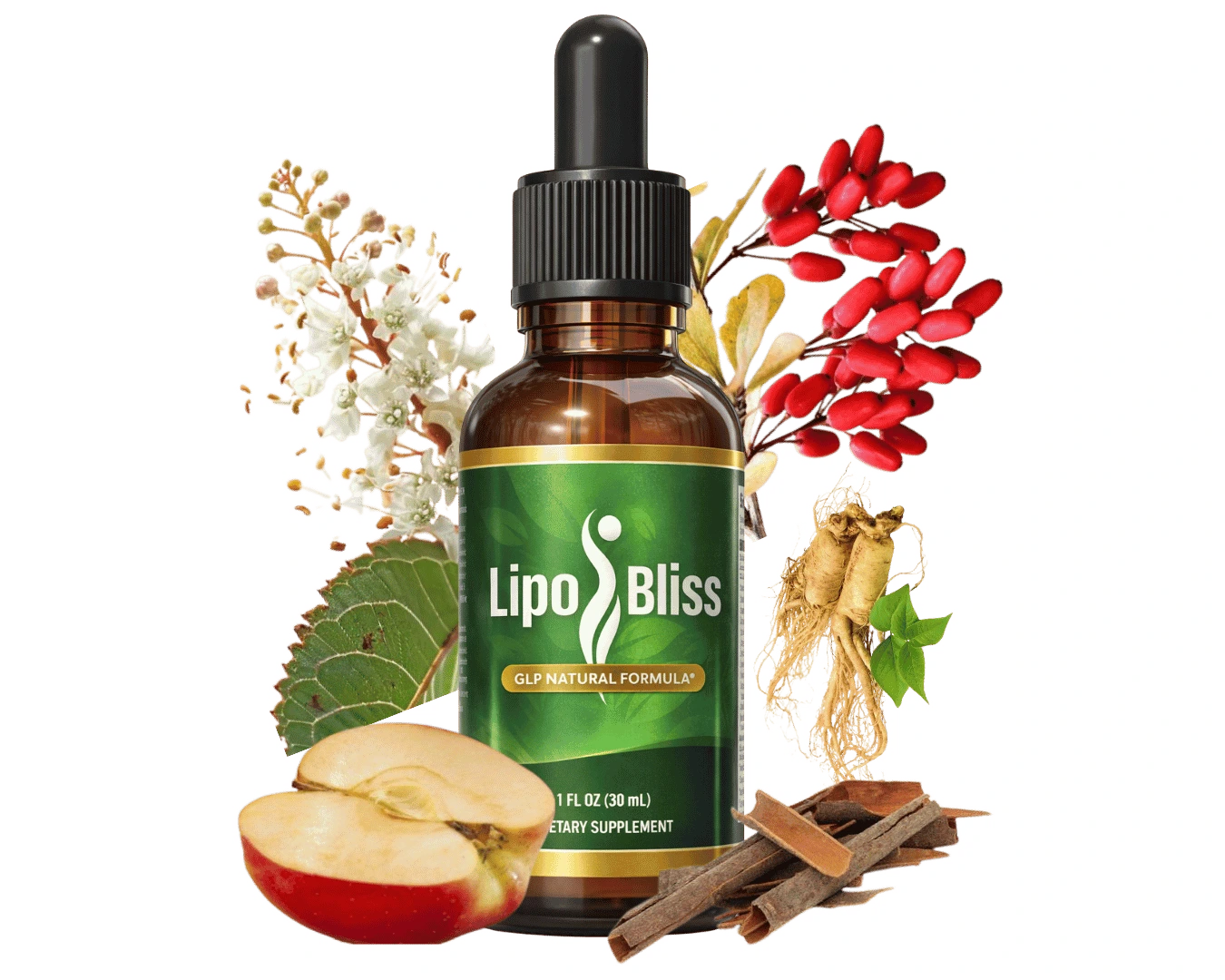
Coleus Forskohlii isn't as widely known as an ingredient like green tea, but among people who actually dig into weight-management research, it comes up often. Here's what's behind the interest — and why it's part of the LipoBliss formula.
What Is Coleus Forskohlii?
Coleus Forskohlii is a plant in the mint family, native to India and parts of Southeast Asia, traditionally used in Ayurvedic medicine. Its root contains forskolin, the compound most researchers focus on when studying its effects on body composition.
What the Research Actually Shows
A notable study on forskolin supplementation examined body composition and hormonal changes in overweight and obese men. The researchers found that the forskolin group showed favorable changes in body composition compared to placebo, including measures related to fat mass, alongside statistically significant increases in a hormone linked to fat breakdown.[1]
The proposed mechanism is that forskolin activates an enzyme called adenylate cyclase, which increases levels of a molecule (cAMP) involved in triggering the breakdown of stored fat for energy. This is a genuinely different mechanism than stimulant-based "fat burners," which is part of why it's often paired with — rather than substituted for — ingredients like Green Tea Leaf.
What It's Not
Coleus Forskohlii is not a stimulant, and it's not going to melt fat off overnight. The available research points to modest, cumulative effects over weeks of consistent use — which is consistent with how it's positioned in LipoBliss: as one part of a nine-ingredient formula, not a standalone miracle solution.
The Bottom Line
The forskolin research is genuinely interesting, particularly around body composition, and it's one of the more mechanistically distinct ingredients in the LipoBliss formula — which is exactly why it earned a spot in the lineup.
See the Full 9-Ingredient Formula
Coleus Forskohlii, Green Tea Leaf, Maca Root, and 6 more — every ingredient named on the label.
View LipoBliss IngredientsContinue reading: Chromium Picolinate and cravings or how hormones affect metabolism after 45.
References
- Godard, M.P. et al. "Body composition and hormonal adaptations associated with forskolin consumption in overweight and obese men." PubMed. pubmed.ncbi.nlm.nih.gov/18500958